


MYR Dynamics Logo MYR Dynamics Contact Us
Contact Us

Understanding Ringgit Exchange Rates and Currency Dynamics

Learn how the Malaysian ringgit performs against major currencies, explore capital flow impacts, and understand Bank Negara’s role in maintaining financial stability.

Financial analyst reviewing currency exchange charts with multiple data displays

Why Understanding Currency Dynamics Matters

Whether you’re an investor, business owner, or simply curious about Malaysia’s financial landscape, knowing how the ringgit behaves gives you valuable perspective.

Real-Time Market Insights

Track how the ringgit moves against USD, EUR, GBP, and CNY. Understand the factors driving daily fluctuations and longer-term trends that shape Malaysia’s currency strength.

Capital Flow Understanding

Foreign investment inflows and outflows directly affect currency valuation. We break down how capital movements create patterns you can actually follow and interpret.

Central Bank Mechanisms

Bank Negara Malaysia uses specific intervention tools to support ringgit stability. Learn what these mechanisms are and how they influence currency behavior in volatile markets.

Foreign Reserve Levels

A country’s foreign reserves indicate its financial health and ability to manage currency crises. We explain what these reserves mean and why they matter for the ringgit.

Key Currency Metrics

These numbers give you a snapshot of where Malaysia’s currency stands and how it’s performing globally.

4
Major Currency Pairs Tracked

USD, EUR, GBP, and CNY. These are the currencies that matter most for Malaysia’s international trade and investment flows.

24/7
Global Currency Markets

Exchange rates move around the clock. Understanding the timing and drivers of these movements helps you anticipate shifts in ringgit value.

3
Core Intervention Tools

Bank Negara employs multiple mechanisms to manage currency stability, from direct market intervention to interest rate adjustments and forward guidance.

$100B+
Foreign Reserves Indicator

Malaysia maintains substantial foreign reserves, a key indicator of financial stability and the country’s ability to support its currency during market stress.

How Currency Markets Work

Breaking down the mechanisms that drive ringgit performance and the factors you should track.

01

Supply and Demand Dynamics

The ringgit’s value is determined by how much demand exists for it relative to supply. When foreign investors want Malaysian assets, they need ringgit — increasing demand and strengthening the currency. When Malaysian entities invest abroad, they sell ringgit — increasing supply and weakening it.

02

Interest Rate Influence

Higher interest rates make ringgit-denominated assets more attractive to foreign investors, increasing demand. Bank Negara’s decisions on the Overnight Policy Rate (OPR) directly impact currency valuation and capital flows into Malaysian financial markets.

03

Trade and Capital Flows

Export earnings create ringgit demand while import payments create supply. Capital inflows from foreign direct investment and portfolio investment strengthen the currency, while outflows weaken it. These flows aren’t always stable — they shift based on global sentiment and economic conditions.

04

Bank Negara’s Role

Malaysia’s central bank actively manages the ringgit through direct market intervention, forward guidance, and macro-prudential measures. They don’t try to fix the exchange rate — instead, they smooth excessive volatility and ensure the currency reflects Malaysia’s economic fundamentals.

What You’ll Learn in Our Resources

We’ve organized detailed information on currency dynamics to help you build genuine understanding of how the ringgit works.

Currency exchange counter at international airport with multiple exchange rate boards displayed

Exchange Rate Mechanics

How rates are quoted, what bid-ask spreads mean, and why the same currency pair has different prices at different times. This isn’t complicated once you understand the basics.

Reading Market Data

Where to find reliable exchange rate information, how to interpret central bank statements, and which economic indicators signal potential currency movements.

Geopolitical Context

Trade relationships, regional economic conditions, and global market sentiment all influence the ringgit. We connect these dots so you see the full picture.

Practical Applications

Whether you’re managing business risks, planning investments, or just staying informed, understanding currency dynamics helps you make better financial decisions.

Featured Resources

Ringgit Exchange Rate & Currency Dynamics

In-depth guides exploring different aspects of Malaysia’s currency and financial markets.
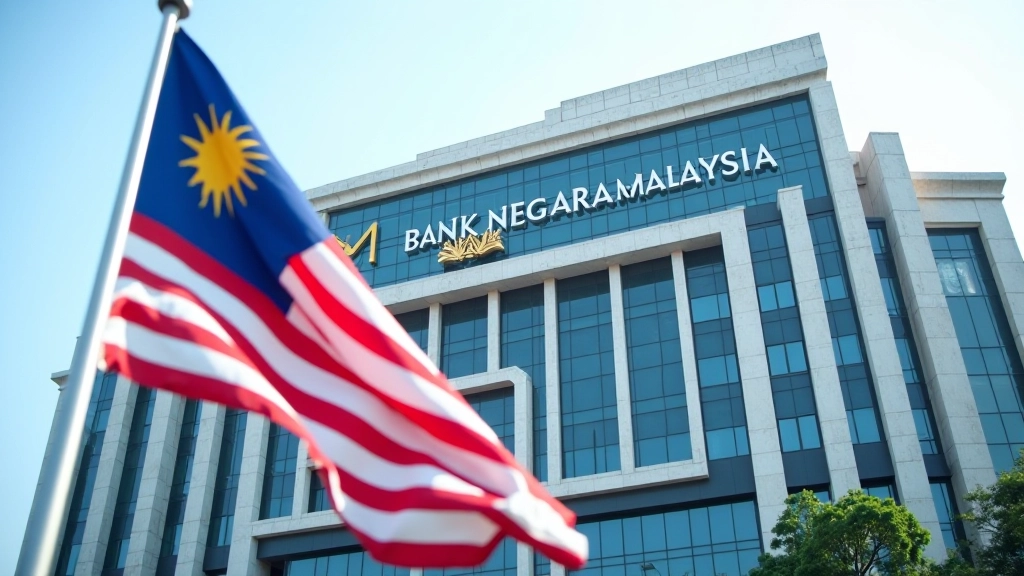
Bank Negara Malaysia building exterior with Malaysian flag displayed prominently

Bank Negara’s Role in Managing Currency Stability

How Malaysia’s central bank uses intervention mechanisms to support ringgit performance and maintain financial stability in volatile markets.

Read Full Guide

Financial analyst reviewing currency exchange rate charts on computer monitor with multiple data screens

MYR Performance Against Major Currencies Explained

A breakdown of how the ringgit performs against USD, EUR, GBP, and CNY, including factors that drive daily fluctuations and longer-term trends.

Read Full Guide

International airport currency exchange counter with exchange rate boards and money traders at work

Capital Flows and Their Impact on Ringgit Strength

Understanding how foreign investment inflows and outflows affect currency valuation, and what economic indicators signal shifts in capital movement patterns.

Read Full Guide

Common Questions About Currency Dynamics

Here are questions we hear often. If you don’t find your answer here, reach out — we’re happy to help.

Why does the ringgit fluctuate against other currencies?

Exchange rates reflect supply and demand for the currency. When foreign investors want Malaysian assets, demand for ringgit increases and the currency strengthens. When there’s concern about Malaysia’s economy or when investors move money elsewhere, demand falls and the ringgit weakens. Interest rates, inflation, trade balances, and global sentiment all play roles.

How does Bank Negara intervene in the currency market?

Bank Negara doesn’t fix the exchange rate — instead, it smooths excessive volatility and prevents disorderly market conditions. They can buy or sell ringgit in the market, adjust interest rates to make ringgit-denominated assets more or less attractive, provide forward guidance about policy intentions, and use macro-prudential measures to manage capital flows.

What are foreign reserves and why do they matter?

Foreign reserves are assets (typically USD, gold, and other currencies) that Bank Negara holds. They’re crucial because they show Malaysia’s financial strength and ability to manage currency crises. Higher reserves mean Bank Negara has more ammunition to support the ringgit if capital flows out suddenly or markets become unstable.

How do capital flows affect the ringgit?

Capital flows refer to money moving in and out of Malaysia for investment purposes. When foreign investors buy Malaysian stocks, bonds, or real estate, they bring in foreign currency and sell it for ringgit — strengthening the currency. When they exit these positions, they sell ringgit to buy foreign currency — weakening it. These flows can be volatile, especially during periods of global uncertainty.

Can I predict exchange rate movements?

Nobody can predict exchange rates with certainty. However, you can track economic indicators (interest rates, inflation, trade data), monitor central bank communications, and follow global market sentiment to understand the direction markets are leaning. Even professional traders get it wrong regularly — that’s why understanding the mechanics matters more than trying to forecast.

What’s the difference between spot rates and forward rates?

Spot rates are the current exchange rates for immediate delivery. Forward rates are agreed-upon prices for currency delivery at a future date (30 days, 90 days, etc.). Forward rates incorporate interest rate differences between countries and market expectations about future spot rates. Businesses use forwards to hedge currency risk when they know they’ll need to exchange money in the future.

Ready to Deepen Your Understanding?

Whether you have specific questions about currency dynamics, need clarification on any concepts, or want to discuss how these insights apply to your situation, we’re here to help.

Get in Touch with Our Team
Direct answers to your specific questions
Personalized guidance based on your needs
Access to additional resources and updates
Support for tracking currency developments